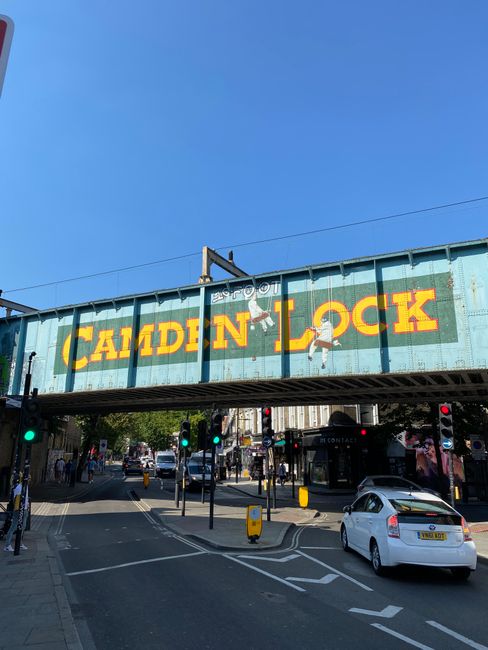
Camden removals guide for narrow streets and market areas

If you are planning a move in Camden, you already know the problem is rarely the boxes. It is the street. Tight lanes, busy market traffic, awkward loading points, and the general London shuffle can turn a simple house move into a small logistical puzzle. This Camden removals guide for narrow streets and market areas is here to make that puzzle manageable. We will look at how to plan access, avoid common delays, choose the right vehicle, and keep the day calm enough that you can still find the kettle at the end.
Truth be told, Camden is one of those places where good preparation pays off quickly. A move that feels straightforward on paper can become frustrating in real life if you do not account for one-way streets, pedestrians, market stalls, low bridges, or a van that simply cannot sit where you want it to. The good news? Most of it is solvable with the right order of operations.
Why Camden removals guide for narrow streets and market areas Matters
Camden is not a generic postcode move. It is a location with character, and character often means constraints. Many residential streets are narrow enough that two vehicles meeting each other becomes a polite stand-off. Market areas can add timed access issues, heavier footfall, temporary barriers, and more people than you would expect carrying coffee, skateboards, shopping bags, and opinions.
That is why a localised removals approach matters. The practical difference is simple: a standard plan assumes the van can stop close to the property and the team can move in a steady line. A Camden plan assumes the opposite might happen, and then builds a route around it. That small shift in mindset can save a lot of time, avoid damage, and reduce stress for everyone involved.
It also matters because delays in a busy street do not just affect you. They affect neighbours, shopfronts, delivery drivers, and passers-by. In a place like Camden, being efficient is also being considerate. And yes, that earns goodwill, which is worth more than people realise on moving day.
If you want a broader overview of what a professional move should cover, you may find the main removals page useful for understanding the range of support available.
How Camden removals guide for narrow streets and market areas Works
A good Camden move usually starts long before the van arrives. The process begins with access planning: checking whether the street can take a larger vehicle, identifying the nearest practical loading point, and deciding whether a smaller vehicle, a shuttle system, or staged loading is the better option. Sometimes the smartest move is not a bigger truck. It is a smaller one, used well.
Next comes timing. Market streets may be calm early in the morning and much trickier by late morning or lunchtime. Residential roads may be easier before school runs or commuter peaks. A good mover thinks about when the street breathes easiest, not only when the clock says the booking starts. Small detail, big difference.
Then comes packing and carry distance. In narrow streets, the distance from the front door to the vehicle can be longer than you would like. That changes how items should be packed. Heavy boxes need sensible weights. Fragile items need extra protection. Large furniture needs a route map in your head before anyone lifts a thing. Otherwise, you end up doing the awkward dance around bins, railings, and parked cars. Nobody enjoys that dance.
For many households, a smaller vehicle setup such as man and van or a dedicated moving van can be more practical than trying to force a large truck into a tight Camden street.
Key Benefits and Practical Advantages
When a Camden move is planned properly, the benefits are immediate and very real. First, there is less waiting around. If the team knows where to stop, where to park, and how to get items from the property to the vehicle, the whole job flows better. That matters when the street is busy and patience is wearing thin by 9:15am.
Second, there is less risk of damage. Narrow streets leave little room for error. A poor angle on a sofa or a careless turn with a trolley can scratch walls, door frames, or the vehicle itself. Good planning protects the property and the furniture. Not glamorous, but essential.
Third, the experience is usually calmer for the customer. That sounds obvious, yet people often forget how much stress comes from uncertainty. Knowing the team has already thought through access, timing, parking, and carry distance makes moving day feel more controlled. You are not left wondering whether the van is stuck three streets away while your fridge sits on the pavement.
There is also a commercial benefit for office and shop moves. In busy Camden market zones, limiting disruption can be the difference between a manageable move and a day that irritates everyone nearby. For that kind of job, you may want to look at office removals or wider commercial moves support if the relocation involves business stock, equipment, or furniture.
| Planning choice | Best for | Main advantage | Main trade-off |
|---|---|---|---|
| Large removal truck | Easy access streets and bigger loads | Fewer trips | May be difficult to park or manoeuvre |
| Moving van | Most Camden residential streets | Better access and flexibility | May require more careful loading |
| Man and van | Smaller moves, flats, single-room jobs | Agile and practical in tight spaces | Less capacity than a full truck |
| Staged move | Busy market streets or limited access | Reduces blockage and congestion | Needs more coordination |
Who This Is For and When It Makes Sense
This guide is for anyone moving within Camden, into Camden, or out of Camden while dealing with narrow roads or market-side access. That could be a tenant in a top-floor flat, a family moving from a terraced home, a student with too much stuff and not enough boxes, or a business relocating a compact office unit.
It makes particular sense if your street has parked cars on both sides, if the property is close to a market, if loading bay space is limited, or if your building has awkward access such as steps, narrow hallways, or no lift. In those situations, the obvious approach is not always the best one.
Some moves in Camden are small enough that a man with van arrangement is the neatest option. Others need fuller support from house movers or even a broader house removals service if there is a lot of furniture or a tight deadline.
If you are the sort of person who has looked at the street and thought, "Well, that will be interesting," then yes, this is probably for you.
Step-by-Step Guidance
Here is a practical way to plan a Camden move without turning it into a headache.
- Assess the street first. Check the width, note parking restrictions, and look at any corners, bollards, or market obstructions. Do this at the same time of day the move will happen if possible.
- Measure your biggest items. Wardrobes, sofas, mattresses, and large appliances are often the items that cause friction, literally and otherwise. Know their dimensions.
- Choose the right vehicle size. Bigger is not always better in Camden. A smaller van can often make the day smoother.
- Map the walking route. From door to van, what is the actual route? Count stairs, door widths, gates, and any awkward turns.
- Pack for movement, not just storage. Boxes should be easy to carry and clearly labelled. Fragile items should be protected, but not overpacked to the point they become unliftable.
- Plan the order of loading. Put large items in first if they are going to the back, but keep essential items accessible if you need them quickly at the other end.
- Prepare for a Plan B. If the preferred stopping point is blocked by a market delivery or parked vehicle, where else can you safely load?
- Confirm timing with everyone involved. Building managers, neighbours, and any helpers should know the schedule. Confusion tends to multiply in narrow streets.
One small but useful thing: keep a "first night" box separate. Kettle, mugs, charger, toilet roll, medication, snacks, a torch. Camden moves often run long enough that the last thing you want is to hunt for basics while standing in a hallway full of boxes. Been there, not fun.
Expert Tips for Better Results
In our experience, the best Camden moves are not the fastest-looking ones at the start. They are the ones where someone has quietly thought three steps ahead. That usually means a few very specific habits.
Use smaller, more manoeuvrable vehicles where access is tight. A compact removal van can save time if it means you are actually able to park close enough to the property.
Time the move around street activity. Early mornings often work better near markets, but not always. Some streets wake up surprisingly early with traders, deliveries, and all the rest. Check the rhythm of the area.
Protect corners and edges. Door frames, banisters, and narrow hallway walls take a beating if people rush. Blankets, corner guards, and sensible lifting make a real difference.
Keep communication short and clear. If someone is guiding a van into position, use simple instructions. Long explanations in a noisy street are how mistakes happen.
Think about neighbours and traders. A friendly heads-up can help, especially in closely packed Camden streets where people share every inch of pavement. Courtesy is not a luxury here; it is part of the job.
And yes, it helps to accept that the move may feel slightly improvised at times. That is normal. Camden has a way of making everyone a little more flexible than they intended to be.
Common Mistakes to Avoid
The most common mistake is assuming the van will be able to stop directly outside. Sometimes it will. Often it will not. If you build the whole plan around a perfect parking spot, you may end up annoyed before the first box is moved.
Another classic issue is underestimating carry distance. A street that looks "just around the corner" can become a long haul when you are carrying a washing machine or a stack of heavy boxes. It is worth planning as if the walk will be longer than expected.
People also forget to check market timings and local activity. Camden is busy at the best of times. On market days, that energy turns up a notch. If your move clashes with peak footfall, loading becomes slower and less predictable.
Other mistakes include:
- leaving box labels vague or missing altogether
- packing boxes too heavy to carry safely
- not protecting fragile furniture legs and corners
- failing to reserve enough time for stairs or long corridors
- not telling neighbours or building managers about the move
- choosing a vehicle based on volume alone, not access
On a busy Camden street, small mistakes stack up quickly. A delay of ten minutes here, a blocked doorway there, and suddenly the whole morning feels longer than it should. That's the thing about removals: the little stuff is rarely little.
Tools, Resources and Recommendations
You do not need a mountain of equipment, but the right basics make a surprisingly big difference. A good trolley or sack truck is useful for heavier items, though only if the route is clear enough to use it safely. Furniture blankets, strong tape, labels, and marker pens are all worth having ready before moving day.
For tighter jobs, protective wrapping and careful dismantling are often more valuable than brute strength. A table that comes apart cleanly is easier to move than a table that has to be wrestled through a narrow hallway. Common sense, really, but it is amazing how often people skip this step.
If you need help with the physical side of packing, packing and unpacking services can be a sensible option, especially for households short on time or moving under pressure.
It may also help to think about post-move clear-out early. If you have old items or furniture you do not want to take with you, a service such as furniture pick up can make the move cleaner and reduce clutter before the van arrives.
For smaller jobs, the flexibility of man and van removals or a well-organised removal van can be exactly the right fit for Camden access conditions.
Law, Compliance, Standards, or Best Practice
Camden removals are not just about practicality. There are compliance and best-practice considerations too. You may need to think about parking restrictions, loading rules, building access arrangements, and safe manual handling. Depending on the street and the type of property, there may also be local permissions or building-specific requirements to observe. These can change, so it is wise to check the current position rather than rely on memory or old assumptions.
From a safety perspective, proper lifting technique matters, as does keeping walkways clear and avoiding rushed handling in tight spaces. Good removal teams tend to follow standard UK health and safety expectations: careful planning, safe vehicle operation, sensible load management, and clear communication.
If you want to understand how a company approaches these responsibilities, take a look at the health and safety policy and the wider insurance and safety information. Those pages are useful because they help you judge not just what a company does, but how seriously it treats risk.
For trust and payment concerns, it can also help to review pricing and quotes and payment and security before you commit. No one likes surprises on a moving day, especially not the financial kind.
Options, Methods, or Comparison Table
There is no single best method for every Camden move. The right choice depends on volume, access, timing, and how much help you need on the day.
| Method | Best use case | Strengths | Watch-outs |
|---|---|---|---|
| Man and van | Small-to-medium flat moves, one-off items, student moves | Flexible, easy to position in tight streets | Limited space for larger households |
| Full removals team | Family moves, multi-room homes, heavier furniture | More hands, more structure, faster loading | May need better access planning |
| Office relocation service | Businesses, studios, compact workspaces | Better coordination for equipment and downtime | Needs clear schedules and building liaison |
| Staged or shuttle move | Market areas, blocked loading access, narrow streets | Handles awkward access well | Can take longer and requires coordination |
If you are comparing providers, it can be useful to look at how they describe their wider removal services and whether they can tailor the job to the street, rather than expecting the street to cooperate. A surprisingly important distinction.
Case Study or Real-World Example
Imagine a couple moving from a flat just off a Camden market street on a Saturday morning. The property itself is manageable, but the road is busy, parking is tight, and traders are setting up nearby. If a large truck arrives late, the team may spend half the morning looking for a safe stopping place. Everyone gets frustrated. The sofa still needs moving. The street still needs to keep moving too.
A better approach would be to use a smaller van, arrive early, and pre-plan the carry route from the flat to a nearby loading point. Boxes would be grouped by room, heavier items wrapped and loaded first, and the most awkward furniture dismantled in advance. One person would manage access while the others kept the flow steady. No drama, just a controlled sequence.
That kind of move may also be easier with a more agile service like man with van removal if the load is modest and the access is the main challenge. For a larger home, the answer may lean more toward experienced movers who can manage the loading order and street-side logistics with less fuss.
The key lesson? In Camden, the move is often won or lost before the van door opens.
Practical Checklist
Use this as a simple pre-move check. It saves time, honestly.
- Measure the widest furniture items
- Check street width and access at the actual moving time
- Confirm parking or loading arrangements
- Choose the right vehicle size for the street, not just the volume
- Tell neighbours or building management about the move
- Label boxes by room and priority
- Protect corners, glass, and fragile surfaces
- Keep essentials in one separate first-night box
- Allow extra time for stairs, long carries, or market traffic
- Have a backup loading point in mind
- Review safety, insurance, and pricing details before booking
- Plan for any items you do not want to take with you
A little bit of preparation goes a long way. More than most people expect, to be fair.
Conclusion
Camden removals are easier when you treat the street as part of the job, not just the backdrop. Narrow roads, market activity, and limited loading space change the shape of the move, but they do not need to make it stressful. With the right vehicle, good timing, clear packing, and a realistic plan, even an awkward Camden address becomes manageable.
The best results usually come from simple decisions made early: choose access-friendly transport, prepare for a longer carry, and keep communication clear on the day. That is really the heart of this guide. Not perfection. Just a move that works properly, without the usual chaos.
If you are weighing up your options, start with the right kind of support, check the details that matter, and choose a team that understands Camden's quirks rather than fighting them.
Get a free quote today and see how much you can save.
And once the last box is inside, take a breath. Put the kettle on. You've earned that quiet minute.
Frequently Asked Questions
What makes Camden removals different from other London moves?
Camden often involves narrow streets, busy pedestrian areas, market traffic, and limited parking. That means access planning matters more than usual, and smaller vehicles are often a better fit than large trucks.
Is a man and van service enough for a Camden flat move?
Often, yes. For smaller flats, single rooms, or limited furniture, a flexible service such as man and van can be a practical choice, especially where access is tight.
Should I book a larger removal truck for a narrow Camden street?
Not automatically. A larger vehicle can be awkward or impossible to position close to the property. In many cases, a smaller van or staged loading setup is more efficient.
How early should I plan a Camden move?
As early as you can, especially if the move is near a market street or requires parking consideration. The more constraints the street has, the more time you should allow for planning.
Do market areas affect removal timing?
Yes, they often do. Footfall, deliveries, and stalls can all affect access. Early morning slots are sometimes easier, but it depends on the specific street and day.
What should I do if the van cannot park outside my property?
Have a backup loading point ready and make sure the route from property to vehicle is clear. In Camden, that kind of flexibility is often the difference between a smooth move and a messy one.
Can packing services help with difficult access moves?
Absolutely. If your hallway is tight or the move is time-sensitive, packing and unpacking services can reduce pressure and help the move run more efficiently.
How do I protect furniture in narrow hallways and staircases?
Wrap corners, dismantle larger items where possible, and use blankets or protective coverings. Slow, steady handling matters more than speed in tight spaces.
Are office moves in Camden handled differently from house moves?
Usually, yes. Office relocations often need tighter scheduling, equipment protection, and less disruption to neighbouring businesses. A service like office removals may be the better fit.
What should I check before booking a removals company?
Look at pricing, access planning, safety procedures, and payment details. If you want a sense of the company's approach, review about us, health and safety policy, and insurance and safety.
What is the best way to reduce stress on moving day?
Keep the plan simple, label everything clearly, choose the right vehicle, and leave extra time for access issues. A calm, realistic schedule is usually better than an over-optimistic one.
Where can I get help if my move is more complex than expected?
For larger or trickier moves, you can review the wider removal company and removal services options to see what level of support fits your situation.